August 16, 2026 · 7 min read
5 Essential Sewing Tools Every Digital Pattern Crafter Needs
Here's something reassuring before you spend a penny: you do not need a room full of gadgets to sew beautifully from a PDF pattern. A handful of good tools does almost all the work, and buying quality once beats replacing cheap versions three times over. These are the five I'd hand any new sewist — plus the one printing step beginners almost always skip.
First, the step most people miss: print your PDF at the right size
Digital patterns are wonderful — instant, reprintable, and you only print the size you need — but they only work if you print them at true scale. Every well-made PDF (including ours) puts a small test square on the first page for exactly this reason.
- In your PDF reader, set printing to "Actual Size" or "Custom Scale: 100%" — never "Fit to Page," which quietly shrinks everything.
- Print page one, then measure the test square with a ruler. If it's 1 inch (or the size stated), you're clear to print the rest.
- For layered patterns, switch on just your size before printing to keep the cutting lines clean.
Get this right and the whole project falls into place. Now, the tools.
1. A dedicated pair of fabric shears
If you buy one good thing, make it a proper pair of fabric shears. They slice cleanly through several layers, which means accurate pieces and far less fraying. The golden rule every sewist learns (usually the hard way): keep them for fabric only. Cutting paper, tape, or packaging blunts the blades fast. Label them, hide them, guard them with your life.
Tip: a small pair of thread snips by your machine saves your good shears from constant little jobs.
2. A tape measure and a clear ruler
Two cheap tools you'll reach for constantly:
- A soft tape measure for measuring your body and curved pieces.
- A clear quilting ruler or a small seam gauge for straight lines, hems, and checking seam allowances.
Accurate measuring is where good results actually come from. Most "the pattern didn't fit" problems are really "the seam allowance drifted" problems — and a seam gauge set to your allowance (often 3/8" or 5/8") keeps every seam honest.
3. A rotary cutter and self-healing mat
Scissors are fine, but the first time you try a rotary cutter on a self-healing mat, straight edges and long seams suddenly become quick and precise. It's especially lovely for bags, pouches, and anything with long straight pieces.
- Pair it with that clear ruler to cut a perfectly straight line in one pass.
- Change the blade more often than you'd expect — a dull one skips and drags. A fresh blade feels like a fresh start.
- Close the guard every single time you set it down. These are genuinely sharp.
4. An iron and a pressing surface
The unglamorous secret of good sewing: press as you go. Pressing each seam open or to the side right after you sew it is the difference between a "homemade" look and a "handmade" one. It flattens bulk, sets your stitches, and makes the next step line up.
- A basic steam iron is plenty to start.
- "Press," don't "iron" — lift and set the iron down rather than dragging it, so you don't stretch the fabric.
- A small pressing mat or a folded towel next to your machine means you'll actually do it.
5. The right machine needles
New sewists often run one needle until it snaps — but the needle is doing all the work, and it's the cheapest fix for skipped stitches, snags, and puckering.
- Universal needles (size 80/12) suit most cottons and make a safe default.
- Denim / heavy needles (90/14 or 100/16) for canvas totes, bags, and thick or quilted layers.
- Ballpoint / jersey needles for stretchy knits, so you don't get skipped stitches or little holes.
- Swap your needle every project or two — a blunt needle causes more sewing frustration than anything else on this list.
Tip: match the needle to the fabric your pattern recommends. A canvas utility tote wants a heavier needle than a soft cotton pouch.
A few nice-to-haves (not essential on day one)
- Wonder clips or good pins to hold layers without shifting.
- A seam ripper — everyone unpicks; it's part of sewing, not a sign you're doing it wrong.
- Tailor's chalk or a washable marker for transferring pattern marks onto fabric.
Put your kit to work on a beginner pattern
The fastest way to learn your tools is to make something with clear, straight seams:
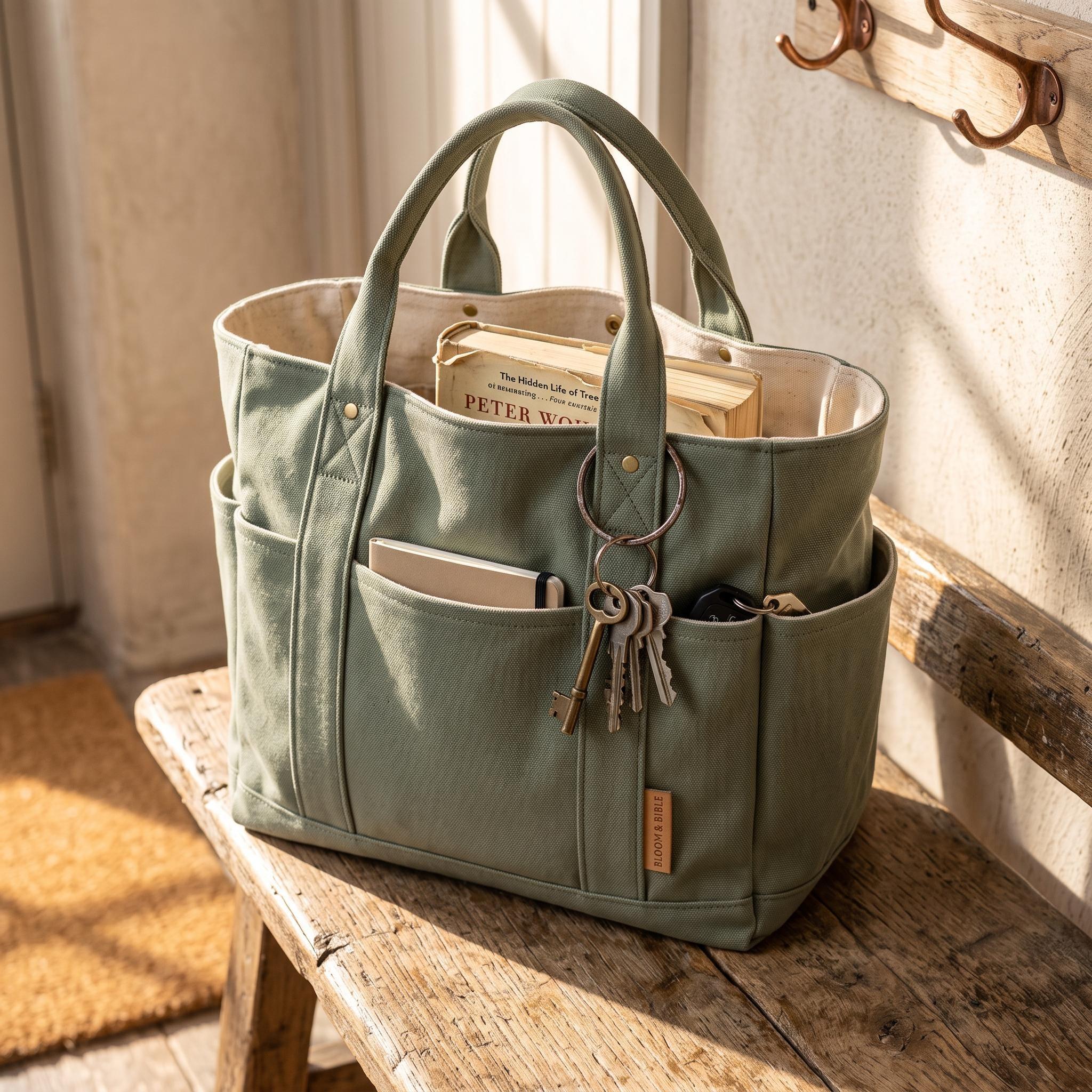
- The Multi-Pocket Utility Tote — straight lines, big pieces, no zipper.
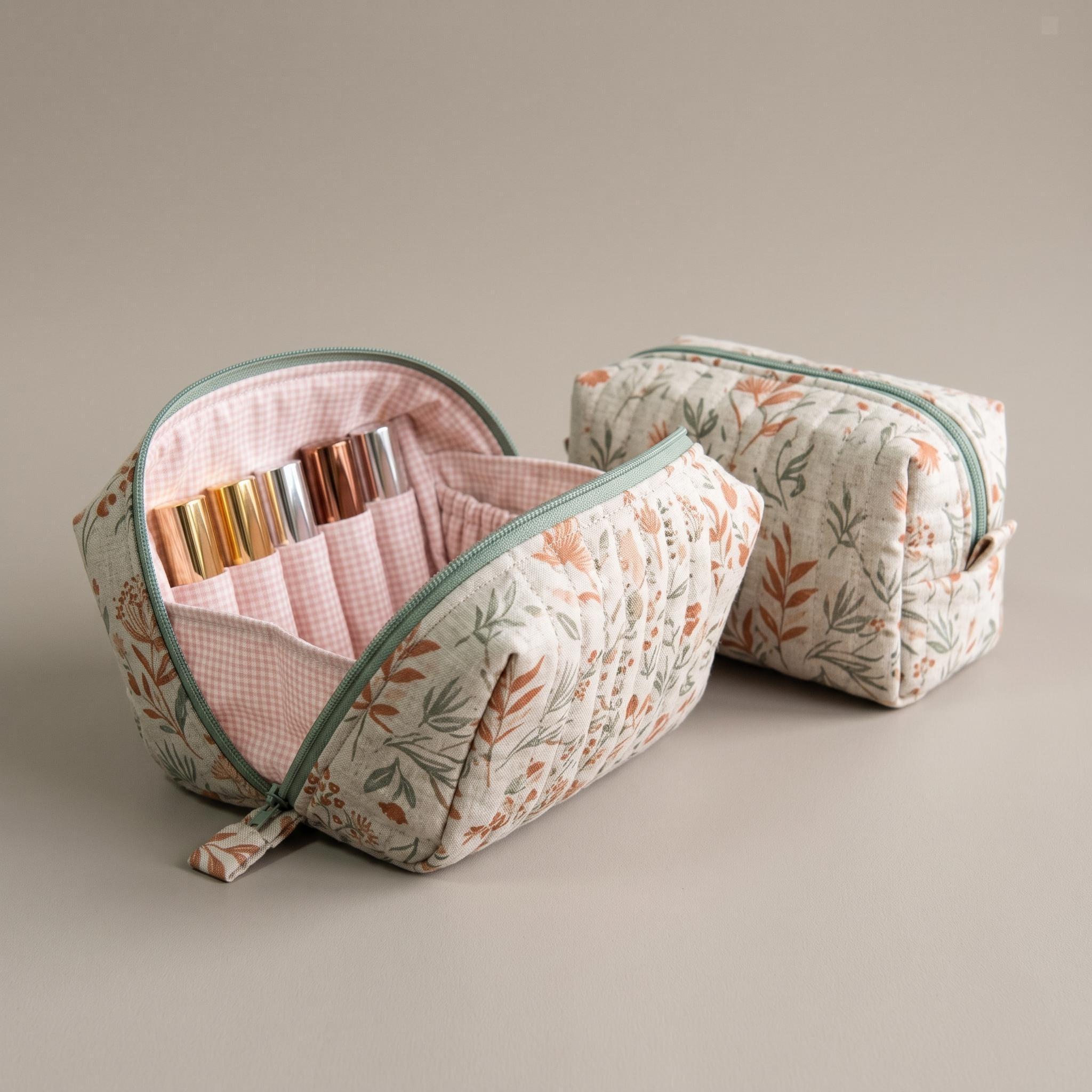
- The Clamshell Cosmetic Pouch — a quick, satisfying make and a friendly first zip.
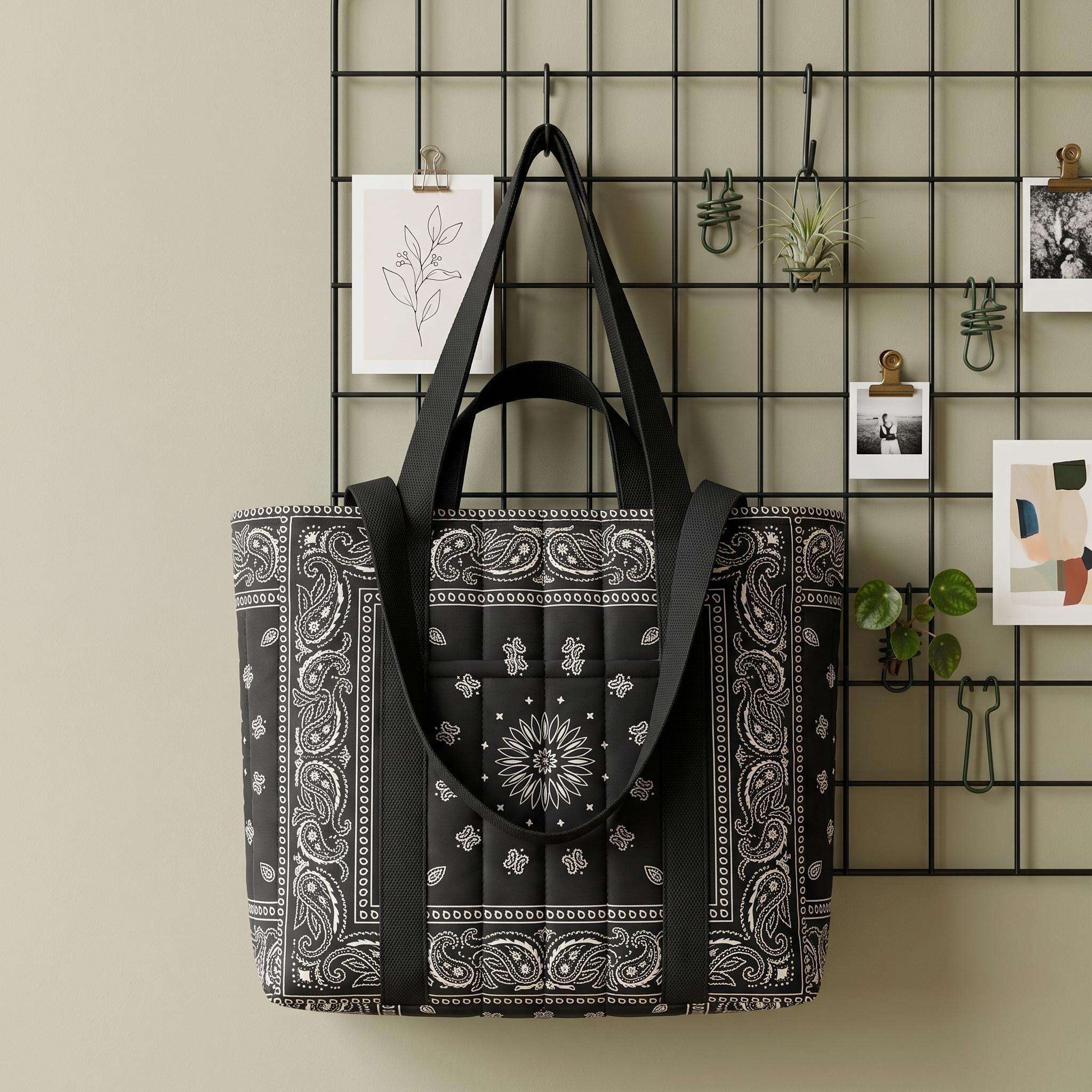
- The Quilted Gusset Tote — great for practising pressing and a structured shape.
Every pattern is an instant PDF download with photo tutorials and a real maker on hand if you get stuck. Browse the full beginner sewing collection to find your next make.